Disposal Rules for Funeral Flowers Islington Council
Posted on 27/10/2026
When funeral flowers have served their purpose, the question often becomes a very practical one: what happens next? The disposal rules for funeral flowers Islington Council residents should follow are usually less about a dramatic legal code and more about doing the respectful, sensible thing in a local setting. That means thinking about cemetery or crematorium guidance, council waste expectations, flower condition, and the wishes of the bereaved family. It sounds straightforward, but in real life it can be a bit fiddly, especially when wreaths, sprays, tributes, ribbons, cards and mixed materials all arrive together.
This guide explains the local considerations in plain English. You will learn how disposal typically works, why it matters, what to avoid, and how to handle funeral flowers in a way that feels respectful and practical. If you are arranging a tribute or managing flowers after a service, a calm plan helps more than people realise. Truth be told, there is often no single "one-size-fits-all" answer, and that is exactly why a proper guide is useful.
- Why it matters
- How it works
- Key benefits and practical advantages
- Who this is for
- Step-by-step guidance
- Expert tips
- Common mistakes to avoid
- Tools, resources and recommendations
- Law, compliance and best practice
- Options and comparison
- Real-world example
- Practical checklist
- Frequently asked questions
Why Disposal Rules for Funeral Flowers Islington Council Matters
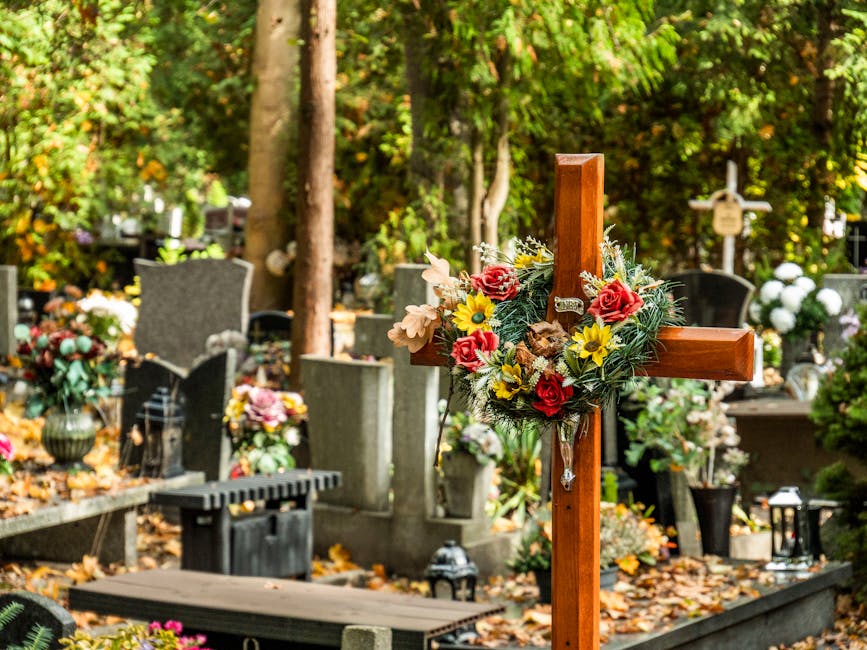
Funeral flowers are not ordinary waste. They carry meaning, time, money, and emotion. So when people search for disposal rules for funeral flowers Islington Council, they are usually trying to balance three things at once: respect, simplicity, and proper disposal. That balance matters a lot in London, where services may take place at a crematorium, cemetery, church, chapel, or family home, and each place may have its own expectations.
In our experience, the biggest problems start when people assume every floral tribute can simply be dropped into any bin. Sometimes that is fine for small items. Sometimes it is not. Large wreaths may include wire frames, plastic bases, floral foam, ribbon, and printed cards. Those extras can change how the tribute should be handled. Not dramatic stuff, but important all the same.
There is also a human reason this topic matters. After a funeral, people are often tired, emotional, and dealing with practical tasks they did not expect to face. Clear guidance takes a little weight off. It saves awkward questions at the last minute, and it helps avoid the sort of mistake that feels small on paper but upsetting in the moment.
Expert summary: The best approach is usually to check the venue's instructions first, separate recyclable or reusable materials where possible, and treat floral tributes with the same care you would give any other part of the memorial process.
How Disposal Rules for Funeral Flowers Islington Council Works
The disposal of funeral flowers is usually governed by a mix of venue rules, council waste arrangements, and common-sense sorting. There may not be a single public-facing rule set that covers every situation in detail, which is why people end up searching online in the first place. The practical approach is to work from the place where the flowers were used and the materials they contain.
Most tributes fall into one of a few broad categories. Loose bouquets can often be composted or put in green waste where accepted. Larger wreaths and sprays may need components separated first. Card messages are usually removed and kept by the family. Plastic cellophane, oasis foam, tape, and wire may need special handling depending on the waste system being used. A neat bunch of lilies in paper wrapping is one thing; a tightly constructed sympathy wreath is another altogether.
If you are dealing with flowers after a funeral in Islington, think in layers:
- The flowers themselves: often biodegradable, though condition matters.
- Mechanical parts: wire, plastic picks, trays, bases, foam and stems may need separating.
- Decorative materials: ribbon, printed tributes, cards, foil and wrapping may need different disposal.
- Venue guidance: cemeteries, crematoria and memorial gardens may ask for specific handling.
One small but useful point: if the tribute is being removed from a burial site or crematorium memorial area, do not assume you can take all of it home without asking. Some spaces want families to leave flowers in place for a period, while others have collection points or scheduled clearance routines. That detail can vary, and it is worth checking before you start cutting anything apart at the kitchen table.
If you need a related tribute for a service or memorial, a specialist local option such as funeral flowers in Islington N1 can help you choose arrangements that are easier to manage later, especially when the design uses fewer mixed materials.
Key Benefits and Practical Advantages
Getting the disposal process right is not just about tidiness. It has practical, emotional, and environmental benefits too. To be fair, most families are not thinking about waste sorting when they are planning a funeral. But a little thought at the start saves hassle later.
1. It keeps the process respectful. Funeral flowers are part of the tribute. Handling them carefully avoids the feeling that they have been treated like ordinary rubbish, which nobody really wants.
2. It reduces waste. Many floral tributes include biodegradable material that can be composted or green-waste processed if separated properly. That is a simple win.
3. It makes cleanup easier. Once the non-floral parts are removed, disposal becomes much more straightforward. Less clutter, less confusion, fewer last-minute decisions.
4. It supports venue rules. If the crematorium or cemetery has specific disposal expectations, following them helps avoid awkwardness and delays. No one wants a tense five-minute conversation at the gate.
5. It can protect keepsakes. Cards, ribbons, and meaningful notes can be kept before the remaining floral material is discarded. That small step means the personal messages are preserved.
There is also a less obvious benefit: a clear plan reduces family stress. In the days after a funeral, even tiny decisions can feel heavier than they should. A simple system makes the whole thing calmer.
Who This Is For and When It Makes Sense
This guidance is useful for anyone who may be handling funeral flowers in or around Islington. That includes family members, friends, funeral directors, venue staff, church volunteers, and anyone helping with a memorial gathering. It also helps florists who are advising clients on arrangements that are easier to clear away afterwards.
It makes sense in several common situations:
- After a service at a crematorium or cemetery
- When flowers are moved from a wake or reception venue
- When tributes have been left at a home, grave, or memorial bench
- When the family wants to keep cards and messages but dispose of the rest
- When the venue asks for all tribute materials to be removed by a specific time
There is also a commercial side. If you are ordering funeral flowers in advance, choosing a florist that understands local expectations can make the later disposal far easier. For example, arrangements built with fewer mixed plastics are simpler to separate. A wreath from a professional local shop such as flower shops in Islington N1 may be planned with practical handling in mind, not just appearance on the day.
And yes, sometimes the best help is just someone saying, "You do not need to solve everything right now." That helps more than it should.
Step-by-Step Guidance
If you want a straightforward way to handle funeral flower disposal, use this sequence. It is simple, but simple is good here.
- Check the venue instructions first. Ask whether flowers should be left in place, collected, or removed at a specific time. If the tribute is at a crematorium or cemetery, the site may have clear expectations.
- Sort the materials. Separate fresh flowers, ribbon, cards, wrapping, wire, foam, plastic, and any keepsakes. This is the part people skip when they are in a hurry, and then regret later.
- Keep what matters. Remove handwritten cards, printed messages, and any sentimental pieces before disposal begins.
- Decide what can be reused or composted. Fresh stems, greenery, and untreated paper wrapping may be suitable for organic waste streams where accepted.
- Handle mixed materials carefully. If the tribute includes foam, artificial flowers, glittered ribbon, or plastic bases, separate them as much as you reasonably can.
- Dispose in the right waste stream. Use the venue's rules, local waste guidance, or a household disposal route that suits the material type.
- Clean the area respectfully. Leave the space tidy, especially if the flowers were placed at a public memorial site.
Here is a very practical example. A family receives a large spray with lilies, roses, a foam base, cellophane, and a ribboned card. They remove the card and keep it, lift out the ribbon, separate the flowers from the foam where possible, and place the biodegradable parts into the appropriate organic disposal stream. The remaining non-organic pieces go into general waste if no recycling route exists. Not glamorous. But workable.
If you are ordering flowers for a service soon, it can also help to look at tribute styles that are designed for easier handling later, such as sprays, wreaths, or tributes that are more conventional in construction.
Expert Tips for Better Results
Small decisions make a big difference here. After handling many tribute situations, the patterns are fairly clear.
- Choose simpler materials where possible. Paper wrap, biodegradable ties, and fewer plastic accessories make disposal much easier.
- Ask about collection timing. If a venue clears flowers after a set period, plan for that rather than assuming they can stay indefinitely.
- Separate cards early. Messages disappear into the pile easily. Put them in an envelope or folder straight away.
- Use a shallow box or tray. This helps transport cards, ribbons and keepsakes without crushing them.
- Keep one person responsible. It sounds obvious, but in family groups everyone assumes someone else has saved the note from Aunt June. Then it vanishes.
- Think ahead if the tribute is going to a cemetery. Weather can affect paper and natural materials quickly, especially in wet or windy weather. A damp morning can change the whole job.
One thing people often forget: funeral flowers can be fragrant even when they are fading. If they have been left for a while, that scent can be strong in a closed room. Open a window, take your time, and do not rush through the sorting. It is one of those oddly physical jobs that feels heavier than it looks.
If you are planning ahead, choosing a local florist with clear product pages can also be helpful. A broad selection like funerals and sympathy flowers makes it easier to select a style that suits both the service and the later clean-up.
Common Mistakes to Avoid
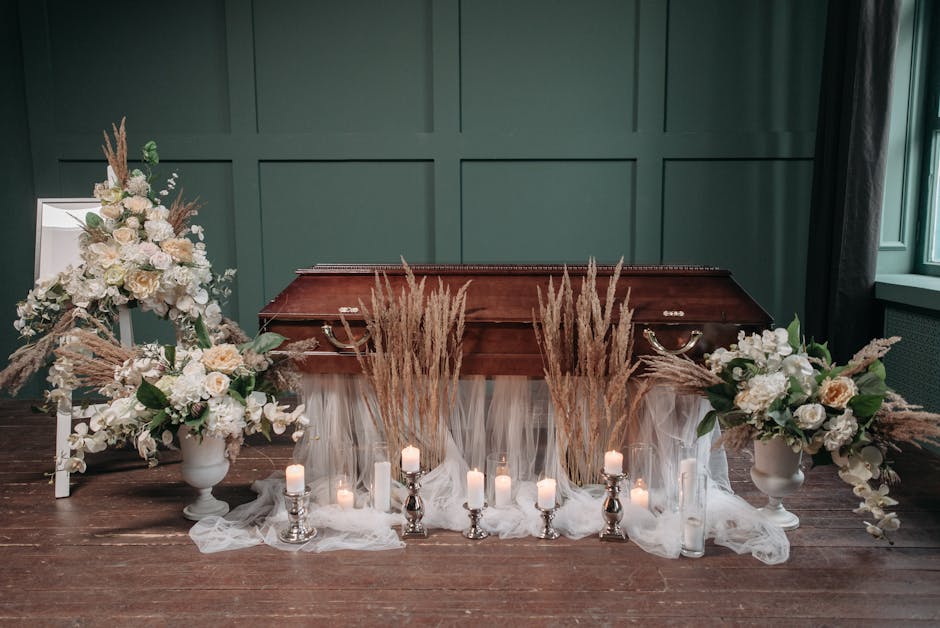
Most problems with funeral flower disposal come from rushing or assuming. That is all. No mystery.
- Throwing everything together. Cards, wire, foam, paper and flowers should not all be treated the same.
- Ignoring venue rules. A cemetery or crematorium may have specific disposal arrangements, and they should not be guessed at.
- Leaving messages behind by accident. This is a painful one. Always check pockets of ribbon or folded cards inside the arrangement.
- Forgetting about artificial elements. Fake flowers, plastic picks and decorative glitter often need separate handling.
- Assuming compostability. Not every floral tribute is compost-friendly once you factor in foam and non-organic decorations.
- Waiting too long. Fresh flowers can deteriorate quickly, especially indoors. A day or two makes a difference.
A small but important note: if the flowers were left in a public space, remove them respectfully and avoid scattering petals or packaging around the area. Nobody wants a cleanup job that spreads beyond the original tribute. You know the kind of thing.
Tools, Resources and Recommendations
You do not need special equipment, but a few basic items make the job easier and neater:
- Scissors or snips for cutting ribbons and separating ties
- Disposable gloves if the flowers are old, damp, or heavily handled
- Paper bags or boxes for cards and keepsakes
- Black sacks or waste bags for non-recyclable materials
- Compost caddy or organic waste bag if you are using a green-waste stream that accepts floral matter
- A marker pen to label keepsake envelopes if several tributes are being handled at once
For advance planning, it can also help to work with a florist that offers a clear delivery and support process. Pages such as delivery and about us can give a better sense of how a local business handles orders, timing and customer expectations. If you need reassurance around service standards, guarantees is also worth reviewing.
And if you are simply trying to make a good decision without overthinking it, a tasteful, well-made arrangement such as white roses service arrangement or heartfelt condolences wreath can be easier to manage than highly complex mixed-media designs. Less fuss. Fewer surprises.
Law, Compliance, Standards, or Best Practice
This topic sits mostly in the area of local waste practice and venue etiquette rather than strict legal obligation. That said, there are still sensible standards to follow. In the UK, waste should be handled in a way that is safe, tidy, and appropriate for the material type. Funeral flower disposal should also respect the rules of the site where the flowers were displayed or left.
Best practice usually means:
- Following the instructions of the crematorium, cemetery, church, or memorial venue
- Separating recyclable, compostable, and general waste where possible
- Removing personal messages and keepsakes before disposal
- Avoiding littering or leaving packaging in public spaces
- Being careful with sharp wire, pins, and broken plastic bases
Where a venue provides a clear policy, that policy should take priority. If no policy is obvious, ask directly rather than guessing. That simple habit prevents confusion and, honestly, saves a lot of back-and-forth. It is also worth remembering that public memorial spaces can be sensitive environments. Keep the process quiet, respectful and tidy.
If you are a business or organisation arranging flowers for a condolence event, standard supplier terms, payment clarity and service expectations matter as well. Pages such as terms and conditions and payment can help you understand how a provider works before placing an order.
Options, Methods, or Comparison Table
Different disposal methods suit different tribute types. The right choice depends on the materials involved and where the flowers were displayed.
| Method | Best for | Advantages | Watch-outs |
|---|---|---|---|
| Composting / organic waste | Fresh flowers, leaves, some paper wrap | Environmentally sensible, simple for natural materials | Not suitable for foam, wire, plastic or glittered decorations |
| General waste | Mixed-material tributes with non-recyclable elements | Practical when separation is not possible | Less sustainable, and some venue rules may still apply |
| Partial reuse / keepsake removal | Cards, ribbons, name tags, sentimental items | Preserves memories while reducing waste | Needs careful sorting to avoid loss or damage |
| Venue collection or clearance | Flowers left at cemeteries or memorial areas | Often the easiest if the site manages collection | Must follow the site's timing and access rules |
In practice, many families use a combination of methods. Keep the cards, compost what is natural, and dispose of the mixed parts responsibly. That is usually the cleanest approach, and it feels respectful too.
Case Study or Real-World Example
Here is a realistic scenario. A family in Islington arranges a service and receives several tributes: a large wreath, two smaller sprays, a bouquet from neighbours, and a pile of handwritten cards. After the service, the family is emotionally exhausted and not keen on spending the evening sorting petals from plastic. Fair enough.
They start by collecting all the cards into one envelope and setting aside the messages they want to keep. Then they separate the wreath into broad categories: flowers, wire frame, ribbon, and base material. The bouquet from neighbours is simpler and mostly natural, so it is placed with organic waste where accepted. The sprays contain some mixed elements, so those parts are split between general waste and organic disposal. The result is tidy, respectful, and manageable without turning the evening into a second job.
The family later says that the small organisational step made a surprisingly big difference. Not because it was difficult, but because it gave them one clear task at a time. That is often how these situations go. One little decision, then another, and suddenly the whole thing feels easier.
For future orders, they also choose a florist page that makes it clear which arrangements are suitable for condolence use, including sympathy and peace and purity basket. Not everything needs to be ornate. Sometimes the most thoughtful thing is the simplest one.
Practical Checklist
Use this checklist when you are ready to dispose of funeral flowers:
- Have I checked the venue's instructions first?
- Have I removed cards, notes and keepsakes?
- Have I separated flowers from wire, foam, plastic and ribbon where possible?
- Do I know which parts can go into organic waste, if any?
- Have I avoided leaving packaging or litter behind?
- Have I stored sentimental items safely?
- Have I handled sharp or awkward materials carefully?
- Do I need help from another family member or the venue team?
Quick takeaway: If you are unsure, slow down and sort the tribute into pieces. That simple habit answers most disposal questions without stress.
Get a free quote today and see how much you can save.
Conclusion
Disposal rules for funeral flowers Islington Council residents deal with are really about care, not complication. Check the venue, separate the materials, keep the meaningful parts, and dispose of the rest thoughtfully. That approach works in most real-world situations and keeps the process respectful from start to finish.
If you are planning ahead, it also helps to choose floral tributes that match the level of handling you want later. A well-chosen arrangement can make the day feel calmer, and the clean-up far less awkward. Small thing, maybe. But these small things matter when emotions are already running high.
Handled properly, funeral flowers can be closed out gently, with dignity intact. And that is really the point, isn't it?
Frequently Asked Questions
Can funeral flowers be put in general waste in Islington?
Sometimes yes, but not always as a first choice. Fresh flowers and natural material may be suitable for organic or green waste streams where accepted, while mixed materials such as wire, foam, plastic bases and ribbon often need general waste. The right choice depends on the materials and the venue's instructions.
What should I do with funeral cards and messages?
Keep them before disposing of the flowers. Many people place all cards in one envelope or box so nothing gets lost. This is often the most important part for the family, and it is easy to overlook if the tribute is large.
Are wreaths harder to dispose of than bouquets?
Usually yes, because wreaths often contain wire frames, tape, foam and decorative fittings. Bouquets are often simpler, especially if they are wrapped in paper rather than plastic. A wreath can still be handled well, it just needs a bit more sorting.
Can I compost funeral flowers?
Fresh flowers, leaves and some paper can often be composted if they are free from plastic, foam and wire. However, not every tribute is compost-friendly. Check the materials carefully, because a few non-organic additions can make the whole thing unsuitable.
Do cemeteries and crematoriums in Islington have their own flower removal rules?
They may well have local expectations about when flowers can be left, collected, or removed. Those rules are usually site-specific rather than universal, so it is best to ask the venue directly. That is the safest way to avoid confusion.
What if the tribute includes artificial flowers?
Artificial flowers are usually handled differently from fresh blooms. They often contain plastic, fabric, wire and glue, so they are less suitable for composting. Separate them from fresh material and dispose of them according to the waste option available.
How soon should funeral flowers be removed after the service?
It depends on the venue and the family's wishes. Some flowers are removed the same day, while others stay for a period at a memorial site. If you are unsure, ask the site staff or the funeral director before taking action.
Can I reuse ribbons or containers from funeral flowers?
Yes, if they are clean and meaningful to keep. Some families save ribbon, small vases or name tags as mementos. Just make sure any reused item is not damaged or contaminated before storing it.
What is the most respectful way to dispose of funeral flowers?
Check the venue rules, keep personal messages, separate the natural and non-natural materials, and dispose of everything quietly and tidily. Respect is mostly in the process. There is no need for anything elaborate.
Can a florist help with disposal-friendly funeral flowers?
Yes. A thoughtful florist can suggest simpler designs, fewer mixed materials, and arrangements that are easier to handle later. If that matters to you, ask before ordering so the design fits the day and the clean-up afterwards.
Are there eco-friendlier options for funeral flowers?
There are. Paper wrapping, natural ties, fewer plastic accessories, and arrangements built with compostable materials are all better for the environment than highly mixed tributes. If sustainability matters, mention it when you order so the florist can guide you.
What should I do if I am not sure whether something can be recycled?
If in doubt, separate it out and ask the venue or waste team rather than guessing. Mixed materials are often the tricky part. When you cannot identify an item confidently, treating it as general waste is often safer than putting it in recycling incorrectly.
Where can I find suitable funeral flower options in Islington?
You can browse dedicated local pages such as funerals, sprays, and wreaths to compare tribute styles. The best choice is usually the one that feels right for the service and is simple enough to handle afterwards.


